


A new report shines a light on the need for support for sudden cardiac arrest survivors, their families and members of public who help save lives.
Lucky2BHere launched the report, Wellbeing Needs of Sudden Cardiac Arrest Survivors and Rescuers, yesterday (Thursday 15 October), just in time for Restart a Heart Day today (Friday). The day is recognised to draw attention to what happens after saving a life.
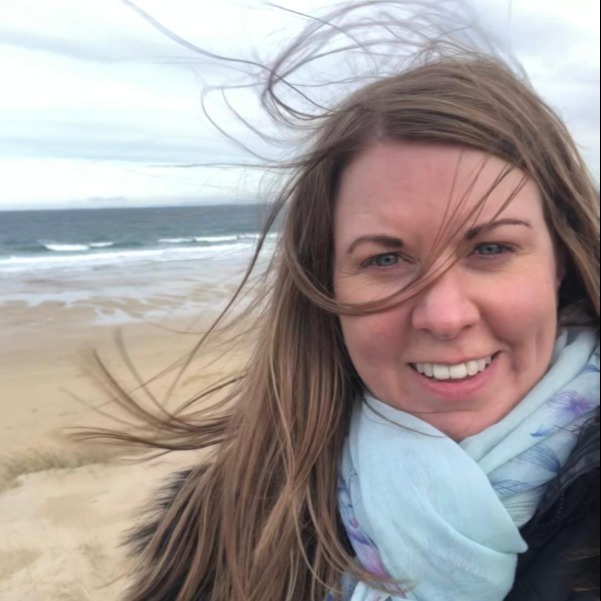
Led by sudden cardiac arrest survivor Michelle Macleod, the Lucky2BHere project involved one-to-one interviews with 15 people across the Highlands and Islands, including survivors, rescuers and co-survivors.
None of the survivors interviewed reported being routinely offered dedicated mental health or wellbeing support following discharge from hospital. Additionally none of the rescuers interviewed reported being offered formal support after their involvement in a resuscitation attempt.
The findings also highlight survivors' difficulties with memory and concentration, anxiety, fatigue, isolation, returning to employment and accessing appropriate support during recovery.
One participant asked: “It’s not that I didn’t get the support, but I wonder: did the support exist at all?”
Another described the isolation of surviving cardiac arrest: “I have not met another cardiac arrest survivor. There is such isolation afterwards. Most people don’t understand the difference between a heart attack and an arrest.”
The report found that participants’ experiences of follow-up care often focused on medical and physical recovery, while psychological, cognitive and practical needs were not always addressed. Some sought counselling or support independently through employers, charities or online groups.
It also highlighted that experiences of conventional cardiac rehabilitation were mixed, with some participants feeling that general, lifestyle-focused programmes did not reflect their circumstances following cardiac arrest.
The report recognises that not everyone experiences the same difficulties or requires formal psychological support. Instead, it calls for individualised approaches and clearer pathways to appropriate help at different stages of recovery.
In the section about how survivors felt after being discharged from hospital, it is reported that some participants described isolation, tiredness, loneliness, anxiety, low mood and difficulty making sense of what happened.
Michelle added: “This is not about criticising the NHS. The work of the medical professionals who save lives is remarkable, and we owe them an enormous amount. But the experiences shared through this project show that there are gaps which deserve attention. Support should not be one-size-fits-all, and people should be able to access it when they need it, even if that is months or years after their cardiac arrest.”
The report explored the impact on rescuers, highlighting that some ordinary members of the public who have performed CPR or used a defibrillator described feelings of anxiety, sleep disturbance, intrusive memories and delayed emotional reactions following the event.
Richard Miller performed CPR on his father when he went into cardiac arrest.
He said: “Performing CPR on my own father was an experience I will never forget. People don’t always realise what rescuers can go through afterwards, or how difficult it can be to process what has happened.
“This report is important because it recognises that rescuers need support too. Saving a life is only part of the story, and we need to make sure that nobody is left to deal with the aftermath alone.”
The purpose of this report is to shine a light on the importance of the accessible, flexible and individualised support for both rescuers and survivors following their experiences. While each person may have different experiences, the need for support following such events was found to be beneficial for the majority of participants.
Lucky2BHere is now planning a gathering in Inverness in early 2027, bringing together sudden cardiac arrest survivors and co-survivors from across the Highlands and Islands. Funded through the existing project, the event will be held in partnership with Sudden Cardiac Arrest UK, and will focus on social connection, shared experiences and peer support, with the potential to help establish a longer-term regional network.
Pam Gowie, Chair of the Lucky2BHere Board, said: “On behalf of the trustees of Lucky2BHere, we are delighted to see the launch of this report, led by our colleague Michelle Macleod. Since the launch of Lucky2BHere in 2009, we have seen lives saved by the willingness of ordinary people to get involved. But we also know that, for both survivors and rescuers, the period after a rescue can be challenging in many ways.
“Hence, we remain committed to providing life-saving defibrillators and emergency life support training, alongside signposting rescuers to appropriate support, to ensure that ordinary people can and do save lives.”
The project was funded through the Ideas Fund, delivered by the British Science Association, and supported by the Resuscitation Research Group at the University of Edinburgh and other project partners.
The report recommends clearer post-cardiac-arrest support pathways, recognition of cognitive difficulties, more individualised rehabilitation, information for families, support for rescuers and greater access to peer-support opportunities.
Michelle concluded: “Restart a Heart Day reminds us that anyone can learn the skills to save a life, and that message is incredibly important. But we must also recognise that when someone’s heart starts beating again, another journey begins.”
To visit the Lucky2BHere website, click here. The report is dedicated to the memory of Lucky2BHere founder Ross Cowie, who passed away in October 2024.
